What to know:
A simple reversal of opinion doesn’t fully capture how dramatically market expectations have changed regarding what central banks will do with monetary policy.
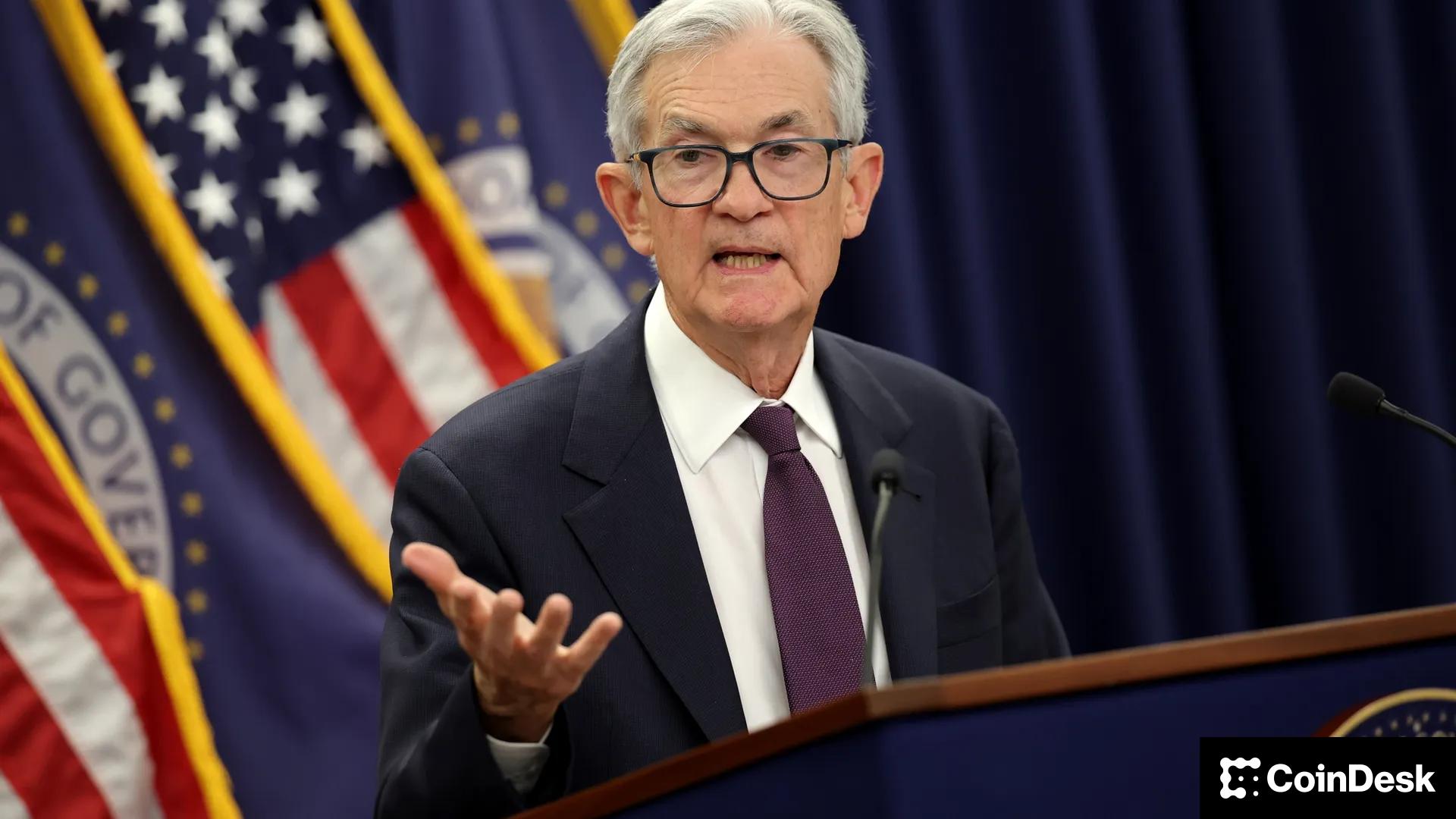
Just a few weeks ago, many expected the Federal Reserve to lower interest rates several times in 2026. Now, the markets are increasingly predicting that rates will actually *increase* this year.
According to the CME FedWatch Tool, there’s now almost a 30% chance the Federal Reserve will raise interest rates above their current range of 3.50% to 3.75% by the end of the year. Conversely, the probability of rates decreasing has fallen sharply to just 2.9%.
Recent concerns about rising inflation, particularly due to energy costs, are causing shifts in the financial markets. After tensions increased in the Middle East at the end of February, the price of Brent Crude oil jumped from around $70 to $111 per barrel. This increase has led to a significant rise in long-term Treasury yields, with the 10-year yield climbing to 4.40% from under 4% in just a few weeks.
Prices for food and energy are expected to rise and stay high for some time, primarily due to disruptions in shipping through the Middle East, according to Crypto is Macro Now Newsletter. Even if a peace agreement were reached quickly, it would still take months to resolve the shipping issues and stabilize prices.
Before oil prices started to rise, inflation was already higher than the Federal Reserve’s goal of 2%. In February, core inflation was 2.5% higher than a year earlier, and it hasn’t dropped below 2% since April 2021.
Inflation is still expected to stay above the Federal Reserve’s goal in the longer run. Market indicators suggest that inflation will likely remain above the target rate for at least the next five to ten years, currently measured at 2.5% and 2.3% respectively.
Higher energy prices will generally be good for the US economy since the country exports more energy than it imports, according to Crypto is Macro Now. Increased military spending to replace equipment will also boost the economy. These two factors should prevent a significant decline in GDP.
Bitcoin outperforms, but there’s more to the story
Bitcoin has remained relatively stable, trading between $65,000 and $70,000, and has technically shown a gain in value since the beginning of the conflict in Iran.
Since the recent attacks began, gold prices have dropped around 20%. Additionally, the Nasdaq closed Friday with a 10% decline from its highest point this year, officially entering correction territory.
Looking back, gold was experiencing a significant price surge at the beginning of March, more than doubling in value over the previous year. The Nasdaq was also performing well, nearly reaching a record high after rising 50% from its low point in April 2025. In contrast, Bitcoin had fallen about 50% from its peak in early October 2025.
Over any reasonable period, Bitcoin hasn’t performed as well as traditional investments like stocks and gold.
Read More
- Brent Oil Forecast
- USD VND PREDICTION
- HYPE PREDICTION. HYPE cryptocurrency
- Silver Rate Forecast
- USD CNY PREDICTION
- DOGE PREDICTION. DOGE cryptocurrency
- CNY JPY PREDICTION
- ETH PREDICTION. ETH cryptocurrency
- ONDO PREDICTION. ONDO cryptocurrency
- CNY RUB PREDICTION
2026-03-29 18:49