Let’s talk about the biggest myth in Web3 scaling: the idea that “bigger blockchains = more success.” Oh honey, if only it were that simple. Every cycle, we get a new crop of chains promising “millions of TPS and zero fees!” It’s like saying, “I’ll lose 10 pounds by just eating less… but also eating a whole cake every day.” Doesn’t add up. 🤷♀️
- Chasing TPS is like trying to win a marathon by sprinting-it’s not sustainable. Blockchains were built for final settlement, not high-frequency clearing. Monolithic L1/L2 designs? Architectural disaster waiting to happen. 💥
- Gas fees? They’re the emotional support squirrel of crypto-annoying and expensive. Plus, bridges are basically a $2B+ honeypot for hackers in 2025. Yikes. 🔐💸
- Enter L3s: the cool kid who says, “Let’s clear stuff off-chain, then settle on-chain.” Gasless interactions? Unified liquidity? Yes, please. It’s like banking’s “TrustFi” but with fewer middlemen and more emojis. 🚀
In 1984, the average Intel processor was pushing 1-3 MIPS. Today, we’re in the Teraflops era, while blockchains are still arguing over millions of TPS like it’s 1997 and we’re all trying to beat the “fastest dial-up modem.” This obsession with throughput? Dead end. It’s the 1984 Processor Problem, but for blockchains. 🖥️💀
L1 Blockchains: The 1984 Problem, But Worse
In the ‘80s, engineers thought, “Faster clock = faster computer.” Spoiler: They melted their chips. Blockchains today? Same mistake-trying to be the jack-of-all-trades for every transaction, from buying a house to paying for a banana. It’s like using a bulldozer to open a soda can. 🍌💥
Imagine going to the grocery store and paying for each fruit individually. That’s what blockchains are doing. Designed for final settlement, not micropayments. Structural failure city, folks. 🏙️
Web3’s Greatest Hits: Gas Fees & Bridge Meltdowns
Gas fees are the emotional tax of Web3. Even “low-cost” chains make you pay for every click. It’s like being charged to open the door of a store. No thanks. 🚪💸
Liquidity fragmentation? It’s like having your savings split into 100 jars, and hackers are just waiting to smash them. In 2025, they stole $2.17B from bridges. Great job, everyone. 🚨
Developers? They’re stuck coding plumbing instead of cool apps. It’s like making your barista fix your car’s engine. Not their job. 🛠️☕
P2P Clearing: The L3 Solution (Finally!)
Here’s the fix: Specialization. Stop trying to be the “fastest blockchain” and start building for specific tasks. L3s are the trustless, gas-free, cross-chain “cool kid” who says, “Let’s clear stuff off-chain, then settle on-chain.” It’s like TrustFi for banks, but with fewer suits and more decentralization. 🧑💻
No more rollups that still rely on L1s like a toddler needs a nap. L3s are the decentralized clearing house-cleared off-chain, settled on-chain. Gasless interactions? Check. Unified liquidity? Check. No bridges? Double check. 🚀
History teaches us: Scaling isn’t about brute force. It’s about architectural innovation. Stop building bigger blocks and start building smarter layers. The future of Web3? P2P clearing that’s fast enough for your TikTok scroll. 📱
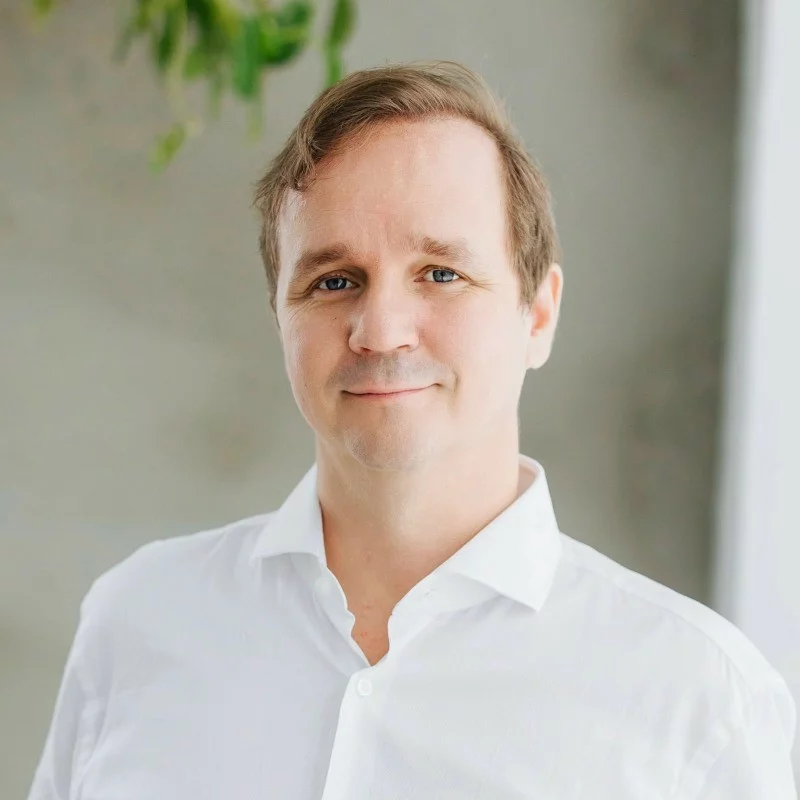
Alexis Sirkia is the Chairman of Yellow Network, where he’s basically the “team captain” for a blockchain ecosystem. Previously, he co-founded GSR, a crypto firm that helped Ripple grow. He’s a math/computer science guy with a sailing catamaran and a Starlink obsession. Pro tip: If you need to navigate the seas, don’t ask him about blockchains. He’ll just say, “Just follow the waves, honey.” 🌊⛵
Read More
- ETH PREDICTION. ETH cryptocurrency
- Record Hashpower Collapse Ignites Miner Crunch
- Gold Rate Forecast
- Maxim Gorky’s Take on the $5T Stablecoin Tsunami and the $BEST Token
- Fed’s Secret Plan: Rate Cuts, Chaos, and Crypto Dreams!
- SEC Abandons Ondo Probe: Drama Ends Without Charges! 🤡💸
- Filecoin’s EVM Upgrade: From Storage to Financial Superhero
- Silver Rate Forecast
- BREAKING: Tiny Shiba Doge Discovers Secret Trampoline at Vanishing 0.000010 Floor-Moon Any Second 🚀🐶
- Dogecoin’s Dilemmas: Will the Canine Coin Fetch Its Fortune?
2025-12-08 17:23